
Guest Blog: Should we teach phonemic awareness?
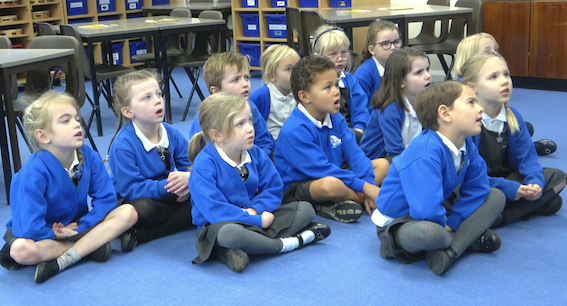
Jennifer Chew highlights that although phonemes zip by at 10–15 per second in everyday speech, true learning comes when we pair phonemic awareness practice with letters, helping children not just hear, but connect, blend, and manipulate sounds in print.
Cursive Handwriting in Reception – or not?

Ruth Miskin argues that formal cursive in Reception is a problem, it distracts from reading and spelling, so instead, children should first master clear print, posture, mnemonics, and simple joins only when writing becomes automatic.
SOS children
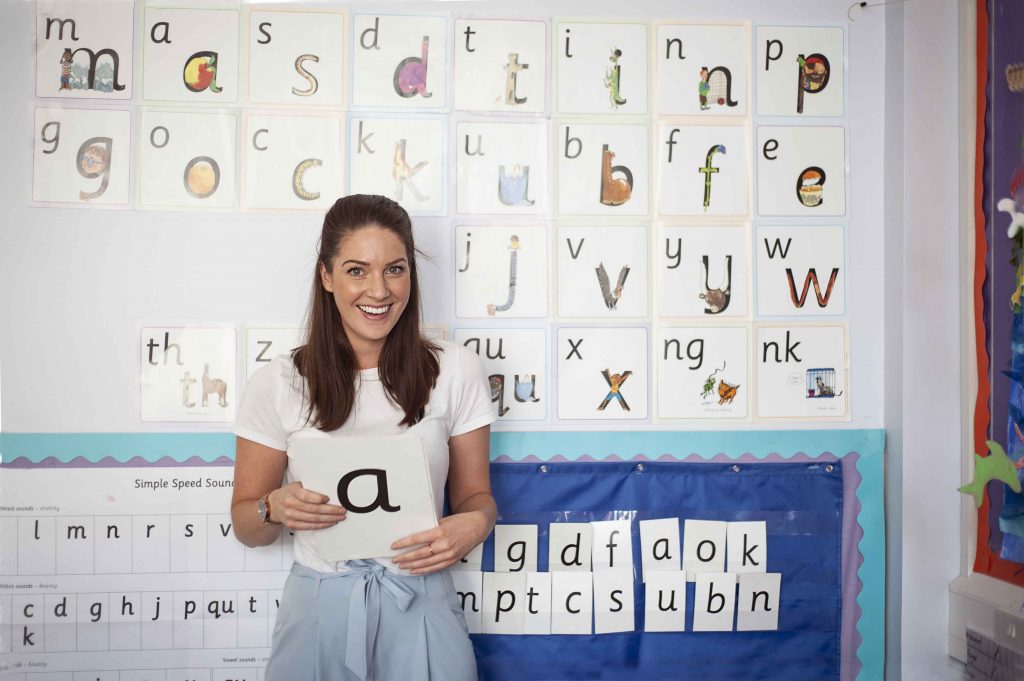
Ruth Miskin shares 10 simple, uplifting rescue steps—from one-to-one practice in a quiet spot to modelling the sound and sprinkling encouragement to re-engage those switched off readers.
Stop with silence

“Team Stop Signal” — where the teacher raises a hand and every child responds by raising theirs, instantly quieting down without shouting, nagging, rhymes, or gimmicks — a calm, consistent method that ensures partner talk works and keeps lessons on track.
Let readers fly
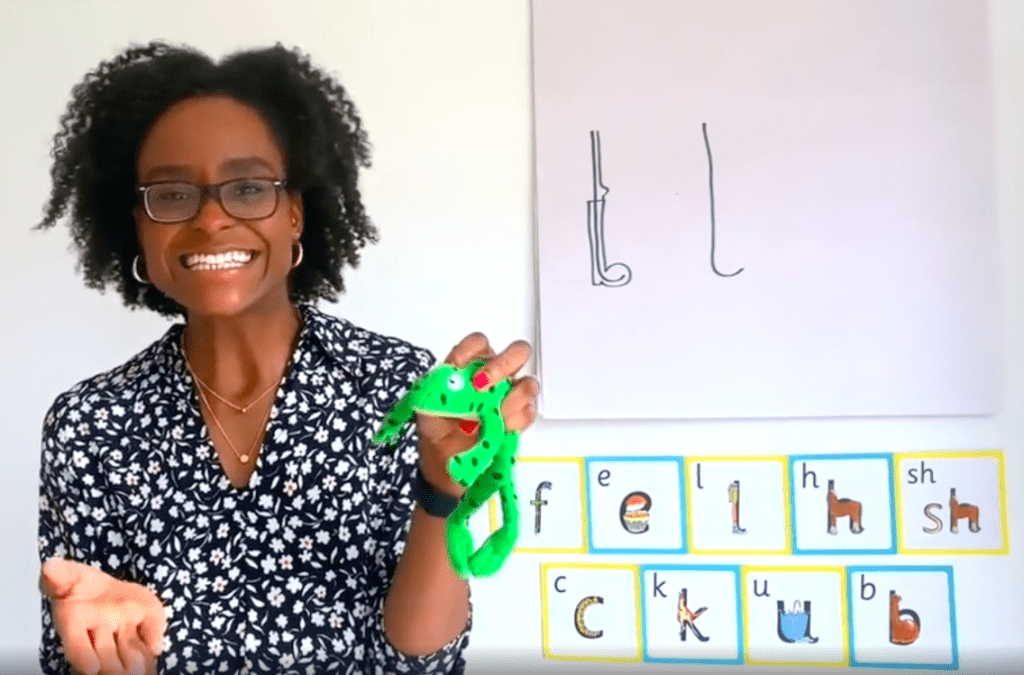
Children’s lifelong outcomes depend heavily on how quickly they learn to read. That’s why Read Write Inc. schools focus on teaching reading fast as this early progression opens up the world of reading and writing.
Hands up any teacher who wants to exclude four-fifths of the class?
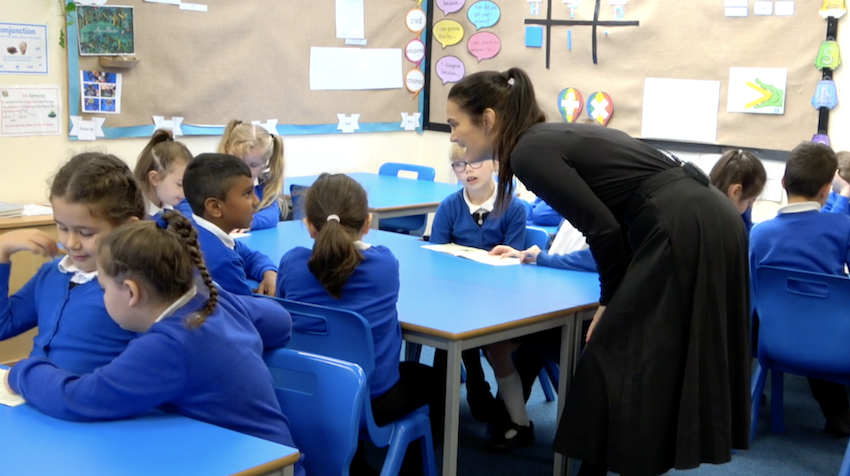
Every “hands-up” question lets four-fifths of the class tune out and even random name-pulling still leaves most watching rather than thinking. Ruth Miskin argues that pairing children to discuss every question ensures genuine engagement and makes thinking visible.
Please don’t pay children to read
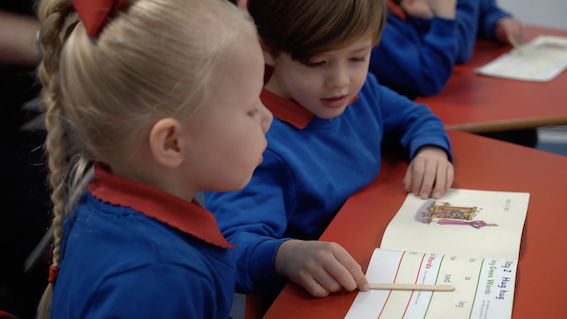
Paying, or rewarding, young readers with stickers, points, or monetary incentives turns reading into a chore, damages natural curiosity, replaces self-motivation with calculation, and ultimately undermines the emotional engagement that fuels a lifelong love of reading.