


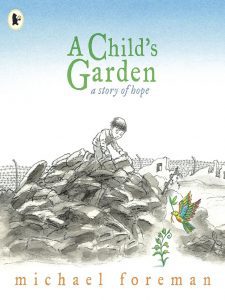
A Child’s Garden- a story of hope by Michael Foreman
A little boy lives in a village torn apart by war. He can no longer reach the hills; they are blocked by barbed wire. He finds a little plant that he nurtures. A message of optimism in a world that can seem hopeless. Connection and nature will rise again.
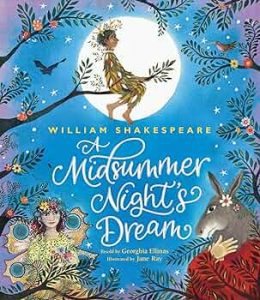
A Midsummer Night’s Dream by Georgia Ellinas and Jane Ray
Puck, a cheeky sprite, lives in the fairy kingdom. King Oberon and Queen Titiania have a disagreement and ask Puck to help them sort it out. At the same time, there are four young people in love but each with the wrong person. Can Puck sort out the muddles? A retelling of the play by William Shakespeare.
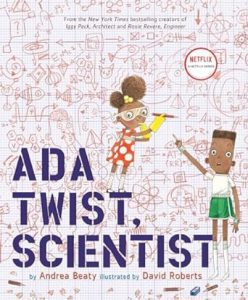
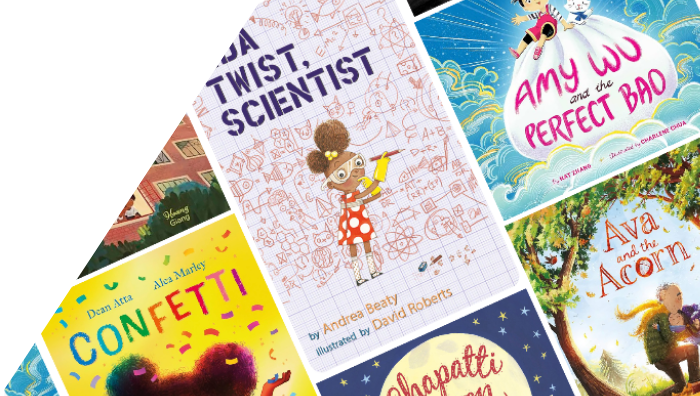
Ada Twist, Scientist by Andrea Beaty and David Roberts
Ada’s head is full of questions; why, what, how and when? ‘How does a nose know there’s something to smell? And does it still stink if there’s no nose to tell?’
This fabulous rhyming story is perfect for Year 1+ to inspire curiosity and perseverance in young, would-be scientists. Follow your passion; and your nose!
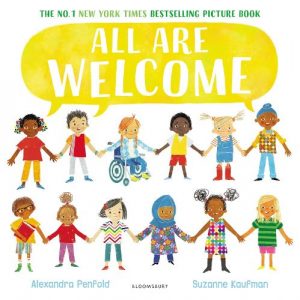
All Are Welcome by Alexandra Penfold and Suzanne Kaufman
As they play music, make art and share stories, all children are welcome in this busy, joyful school. ‘No matter how you start your day, what you wear when you play, or if you come from far away, ALL ARE WELCOME HERE!’
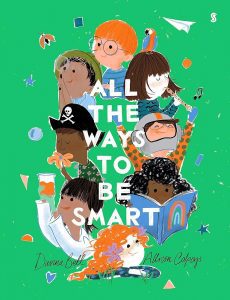
All the Ways to be Smart by Davina Bell and Allison Colpoys
What does it mean to be smart? It’s not just reading and spelling or knowing all the answers. It’s building boats from boxes; finding treasures; flower picking; making up new games with teams. In fact, ’nobody will ever do the very same smart things as you’. We are all smart in different ways!
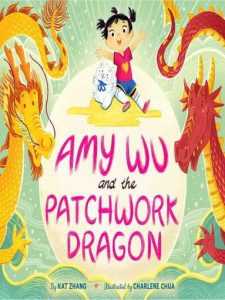
Amy Wu and the Patchwork Dragon by Kat Zhang and Charlene Chua
The class are making dragons. Sadly, none of the ones Amy makes feel right. At home, Amy and her family find a dragon costume in the attic. Teamwork, glue and lots of glitter and… ta da! She has a dragon to proudly show her classmates.
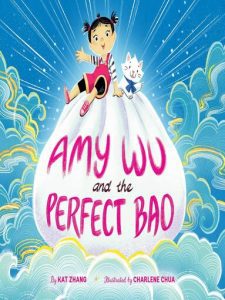
Amy Wu and the Perfect Bao by Kat Zhang and Charlene Chua
Amy loves to eat bao – yummy Chinese dumplings – but she’s not great at making them. Her mum, dad and grandma all try to teach her. Learning to make a bao is not easy! Cooking as a family, sharing food and… patience feature in this story.
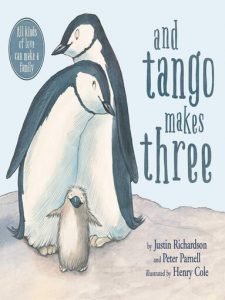
And Tango Makes Three by Justin Richardson & Peter Parnell and Henry Cole
Roy and Silo are a penguin couple who are both boys. They swim together, walk together and sing together. One day they begin to take care of an egg in their nest and soon have a baby penguin as part of their family. What do you need to make a family? Love.
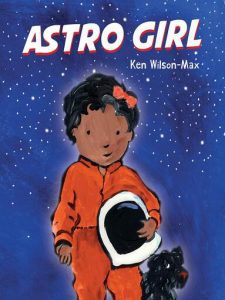
Astro Girl by Ken Wilson- Max
Astrid loves the stars and space. While her mama is away, she finds out all sorts of facts with her papa about being an astronaut. When she gets to pick her mama up, there is a surprise. What will it be and why has mama been away?