
Ruth’s Updates

This newsletter features: Y1 Phonics assessment, “Special Friends, Fred Talk” mantra, analysis, actions to score 25+ and Screening Check events.
Ruth’s Updates

This newsletter features: Ofsted’s draft School Inspection Handbook, Organisation in YR, parent PowerPoints and Phonics expectations.
Ruth’s Updates

This newsletter features: Development Days, practise and Fred Games.
Ruth’s Updates

This newsletter features: assessment, blending, book bands, progress chart and children with speech difficulties.
Guest Blog: Speech sounds – when to be concerned
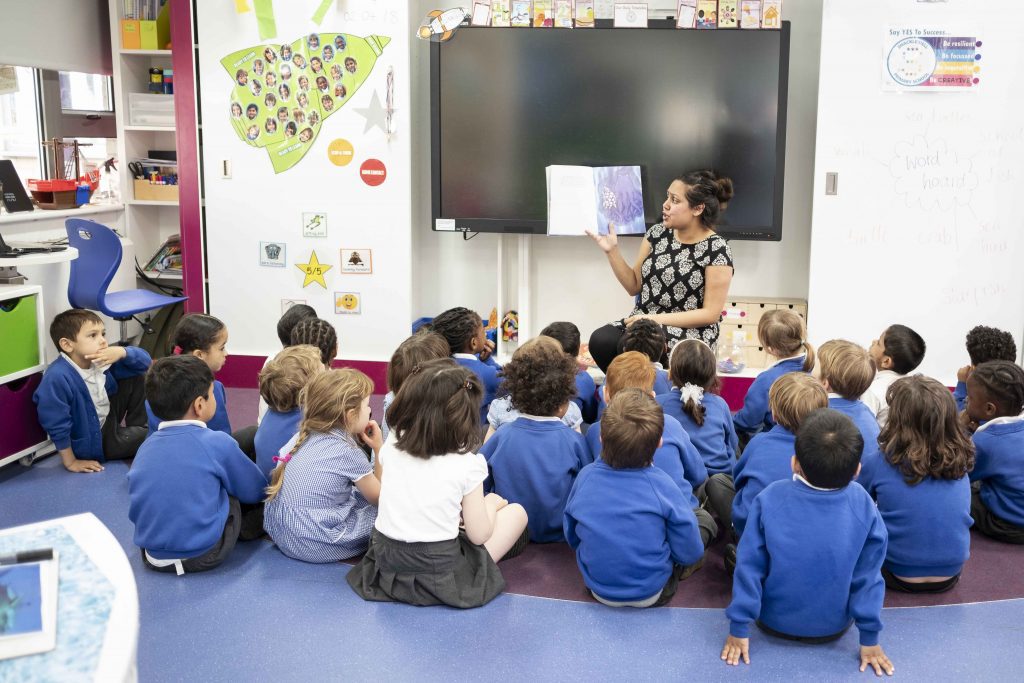
Speech development is a complex journey. While minor omissions and mispronunciations are part of the process, persistent difficulty articulating multiple age-expected sounds may warrant a hearing test or referral to speech and language therapy
Ruth’s Updates
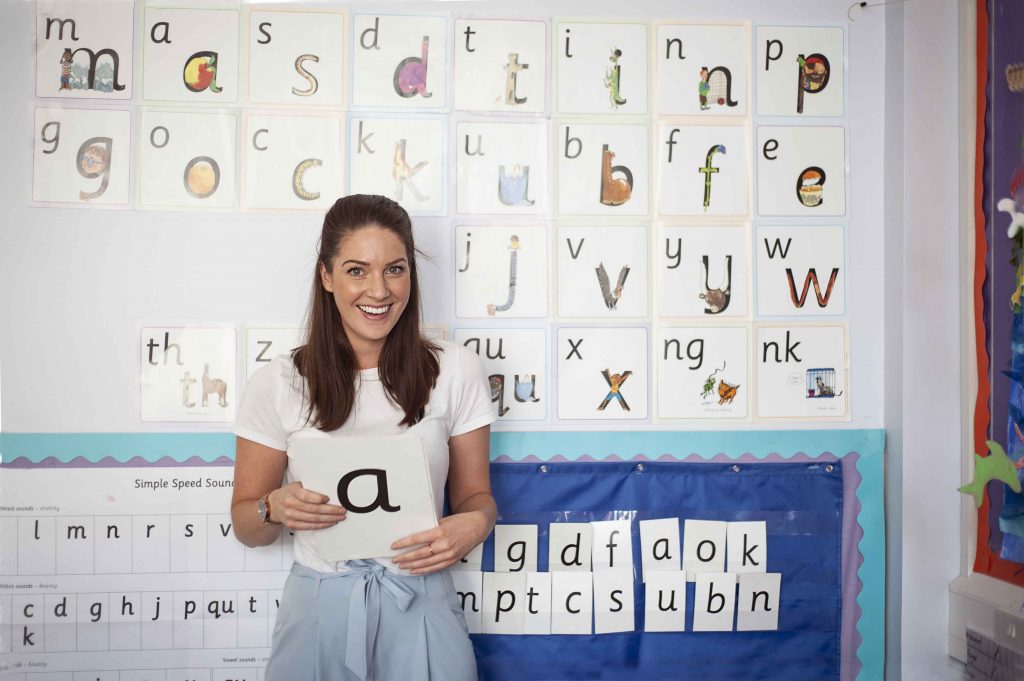
This newsletter features: practice films, practise at home, delayed pronunciation of sounds and Pinny Time.
Ruth’s Updates

This newsletter features: subscription films, SOS children, Carousel Four, tutoring films, assessments online and Speed Sound slideshow.
Ruth’s Updates

This newsletter features: stop failure from day one, Y1 Phonics assessment, Early Learning Goals, TLIF recruitment and grouping.
Show parents what Reception children can do
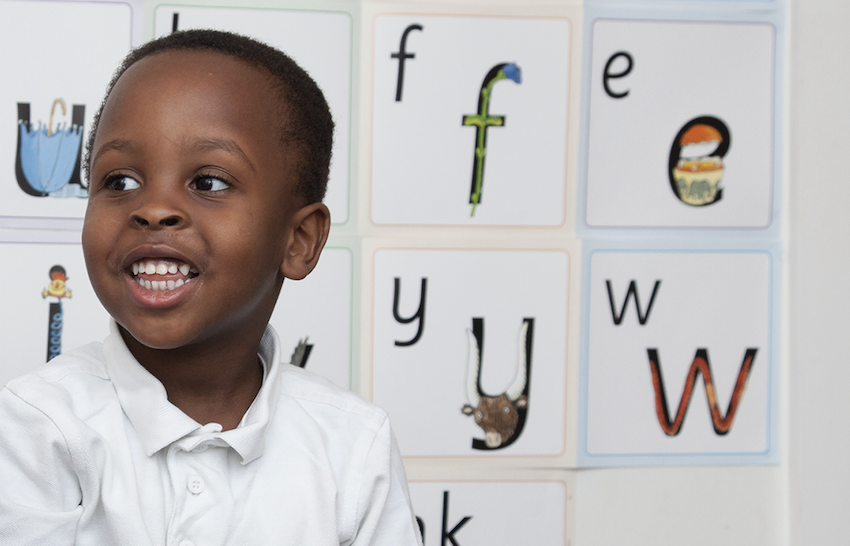
Give parents a front-row seat to Reception learning—weekly assemblies where children read aloud, play Fred Talk, and share new sounds, inspiring families to join the phonics journey at home.
Don’t confuse grouping with setting
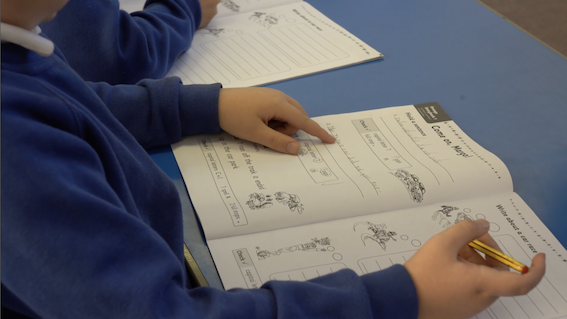
Ruth Miskin explains that grouping children by incremental phonics stages, not by age, is the key to keeping everyone confident: it lets teachers teach at the right level, spot who’s ready to move on, and support those who need it, so no child is ever left behind.